
Chapter 9: Technical Descriptions
Writing Technical Descriptions
A technical description explains in clear, detailed terms what something is, what it looks like, or how it works. Its purpose is to give readers an accurate understanding of a product, mechanism, or process so that they can use it, build it, repair it, or simply understand it.
Writing mechanism and process descriptions is a critical skill for both engineers and computer scientists. Mechanism descriptions help clients determine whether a mechanism meets their needs, assist technicians in understanding how objects are assembled and function, and allow designers to document the development of new technologies. Process descriptions, on the other hand, explain how natural or technological processes work, such as how a quantum computer performs calculations.
Descriptions should be tailored to meet the specific needs of the audience. In other words, the focus and level of detail in a description should be adjusted based on what the reader will do with the information. A lay reader may need only a general understanding of how a particular device or system works, whereas a technician might require much greater detail.
Regardless of the level of detail required, when you describe an object, system, or process, aim to create a clear picture with words. As you do this, address key questions that help your reader understand what you’re describing:
- What is it?
- What does it do?
- What does it look like, or what are its stages?
- What is it made of, or what elements or factors are involved?
- How does it work or function?
- How is it put together or organized?
Impartiality in Technical Descriptions
Technical descriptions should provide an impartial view, meaning that they focus on observable details and avoid personal impressions or subjective language. Consider the following two samples, one subjective and one objective:
Subjective: This fantastic little motor is a masterpiece of engineering that fits nicely in your hand and feels surprisingly lightweight. The craftsmanship is outstanding, with a gorgeous copper winding that catches the light beautifully. The best part is how quietly it runs. You’ll barely notice it’s on, unlike those noisy competitors.
Objective: The compact motor measures 7.6 cm in diameter and 12.3 cm in length, with a mass of 450 grams. The motor’s copper windings are arranged in a standard 12-pole configuration around the stator core, with 0.25 mm diameter wire. During operation at the rated voltage of 24V, the motor produces 42 dB of sound measured at a distance of 1 m, which falls below the industry standard range of 48-55 dB for motors in this class. The aluminum housing features a textured surface with four mounting points for installation.
The subjective description uses adjectives like fantastic or outstanding which convey emotional responses rather than facts. In contrast, the objective description provides specific, observable details, such as measures 7.6 cm in diameter or a mass of 450 grams. When writing technical descriptions, avoid subjective or emotional language. Focus instead on precise, concrete details that allow readers to form their own conclusions.
Precision in Technical Descriptions
Precision refers to the use of specific terminology, exact measurements, and carefully defined parameters that eliminate ambiguity. Precision in technical descriptions helps ensure clarity, accuracy, and reliable decision-making. For instance, instead of saying The motor is small and quiet you may specify as The motor measures 7.6 cm in diameter, weighs 450 grams, and produces 42 dB of sound when measured from a distance of 1 m. Providing such precise details ensures clarity and helps your audience visualize the object or system more effectively. However, include only as much detail as your audience needs.
Organization of Mechanism and Process Descriptions
While impartiality and precision are essential in all technical descriptions, the way information is organized differs between mechanism and process descriptions. Whereas mechanism descriptions are typically spatial (focusing on parts, materials, and shapes), process descriptions are typically chronological (focusing on action, duration, and sequence).
Writing Mechanism Descriptions
Think of a mechanism description as a precise visual portrayal. These descriptions typically focus on tools or systems composed of multiple parts that work together to perform a specific function. The text in the description focuses on physical characteristics. It may include details such as size, shape, color, finish, fit, and other attributes, both for the mechanism as a whole and for each of its parts.
Visual elements, including diagrams and images, should be closely integrated with the text. In other words, the text should directly draw attention to elements in the visuals, while the visuals should illustrate and reinforce the information provided in the text.
Structuring Mechanism Descriptions
When writing a mechanism description, it is essential to use a clear and logical structure. This typically begins with the overall purpose and structure of the mechanism, followed by a breakdown into its individual components. For instance, in describing an internal combustion engine, you would first present an overview of the purpose and structure of the engine before detailing its subcomponents, such as the engine block, cylinder heads, and pistons. Fig. 9.1 shows how you can structure a mechanism description to help the reader easily understand the mechanism of an object or system.
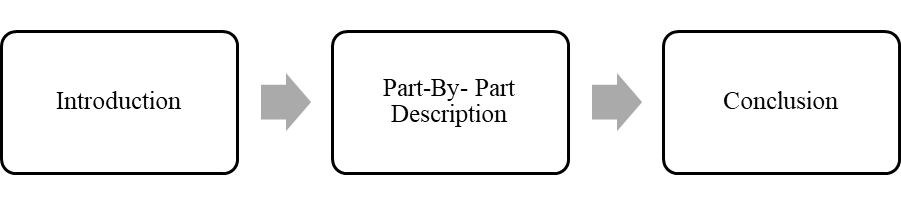
Fig. 9.1 Key elements of a mechanism description.
The Introduction
As with other forms of technical writing, you’ll likely begin with an introduction. The introduction is essential for providing context and a broad overview, helping readers navigate the subsequent details. You can include the following elements to prepare the reader for what follows:
- A technical definition of the mechanism
- An extension of the definition, incorporating key theory or principles as background (only if necessary for the reader)
- A statement of overall function and purpose of the mechanism
- A description of the mechanism’s overall appearance, including relevant attributes such as shape, color, material, finish, texture, mass, weight, or size
- A list of components in the order they will be described
Writing Definitions
You may need to provide definitions whenever readers don’t share the same level of expertise in the domain. Therefore, technical descriptions typically begin with a clear definition of the mechanism or system. Here, it’s important to distinguish between two types of definitions: basic definitions and extended definitions.
Basic Definitions
A basic definition typically consists of the following elements:
- The term being defined—the word or concept to explain
- The category or class—the broader group to which the term belongs
- Distinguishing details—additional characteristics that distinguish the term from others in its category
For example, consider the term thermal expansion valve. A basic definition of the term could be as follows:
Tips for Basic Definitions
The following techniques may help you make definitions precise and reader-friendly:
Avoid circular definitions. In other words, do not use the word you are defining in its own definition.
This definition is circular because it uses the term aileron to define itself, which gives no useful information about the category or class of mechanisms to which the aileron actually belongs.
This definition avoids using the term in its own explanation and clearly describes what an aileron is and how it functions.
Keep basic definitions concise.
This definition is vague, wordy, and filled with generalizations that fail to clearly explain what a turbofan engine is or how it works.
This definition is concise, clearly states which category the item belongs to, and provides just enough distinguishing detail to understand its basic function without overwhelming the reader.
Ensure precision. Definitions should be accurate and specific to avoid ambiguity.
This definition lacks specificity about the type of metal, how it’s shaped, and exactly how it reinforces concrete.
This definition clearly specifies the material, form, placement, and purpose.
Know your audience. For readers with technical expertise, include only essential definitions. For readers with less expertise, explain technical terms or highlight them in bold or italics and refer readers to a glossary.
Consider placement. Short definitions can be embedded directly within the text so that they don’t disrupt the flow of ideas. Longer definitions could be placed in a glossary or appendix.
Extended Definitions
Extended definitions begin with a basic definition but provide additional details, such as
- History—the origin and development of the term
- Etymology—the linguistic roots of the term
- Applications—how a technology is used
- Operation—how a process, technology, or system works
- Components—the parts that make up a technology
An extended definition for thermal expansion valve focusing on the history of its development could be as follows:
A thermostatic expansion valve (TXV) is a metering device that controls the amount of refrigerant entering the evaporator in a refrigeration or air-conditioning system. It senses the temperature at the evaporator outlet using a sensing bulb and adjusts refrigerant flow to maintain a stable level of superheat, which protects the compressor and improves system efficiency. Historical records show [1] that one of the first thermostatic expansion valves was developed in 1923 by E. Diffinger in Paris. A few years later, in 1927, H. Thompson patented a more advanced version of the thermostatic expansion valve. This design became the foundation for later TXVs and marked an important step in improving refrigerant control.
[1] M. Zogg, “History of Heat Pumps Swiss Contributions and International Milestones”, Zurich, May 2008, pp. 1–114. [Online]. Available: https://www.ehpa.org/wp-content/uploads/2023/07/History-of-Heat-Pumps-Swiss-Federation.pdf
Outlining Overall Function and Purpose
In the introduction, it’s helpful to clearly state the overall function and purpose of the mechanism. This helps readers understand what the mechanism does before getting into the specific components and how they work. Consider the following example:
This sentence explains what the system does and why it is useful, giving readers a clear sense of its overall purpose. With that framework in mind, they can more easily see how each component contributes to the whole.
Outlining Structural Breakdown
After establishing a mechanism’s overall purpose and function, the next step is to provide a clear overview of its structural breakdown. This gives readers a mental image of the complete system and creates a framework for understanding how the individual components fit into the whole. When outlining the structural breakdown, carefully consider the sequence in which the parts are introduced.
Visual Sweep
A visual sweep emphasizes how components are arranged in space. It answers the question “What sits next to what?” For example, a visual sweep of a flashlight might follow the parts from left to right in an illustration: beginning with the front lens, moving to the bulb and reflector, and ending with the switch and cylindrical casing that holds the batteries—progressing from the front to the back of the device.
System Breakdown
A system breakdown emphasizes the functional or cause–effect relationships between components. This approach is most effective when the goal is to explain connections, interactions, or the flow of energy or information, rather than the physical arrangement of parts. It is best applied to mechanisms in action, such as the shutter system of a camera or the triggering sequence of a nuclear warhead. For example, when describing a flashlight from this perspective, the order of description would follow the operating principle: tracing the flow of electric current through the circuit to show how each part contributes to producing light.
Core-to-Periphery
Core-to-Periphery identifies the most critical elements before addressing supporting components. For example, description of a coaxial cable (the type used for internet and cable TV) would likely start from the transmission cable. Layers surrounding the transmission cable all exist to protect and facilitate the transmission occurring at the center. In general, the approach is ideal to emphasize system hierarchy or levels of importance.
Part-By-Part Description
Following the introduction, the next step is to discuss the individual components. Precise description of each component is crucial for design, safety, verification, and standardization.
For each component, include the following:
- A definition of the component, with theory or operating principles as needed
- A description of its function and purpose within the mechanism
- A detailed description of properties (shape, color, material, finish, texture, size, etc.) that relate directly to its purpose and function
- Figures, diagrams, or photographs, as necessary (Ensure visuals do not overwhelm or distract the reader.)
- A transition to the next component in the description
Repeat this pattern for each subsequent component.
In choosing which features to describe, the key is relevance—include only the features that help readers visualize the part and, more importantly, reinforce the broader claims about function and purpose established in the introduction. For example, if a key feature of a tool is its strength and durability, it would be important to discuss its materials and their ability to resist forces without cracking or deforming. On the other hand, if you are describing a system designed to transmit information efficiently across a network, you would focus on characteristics related to that function. In short, you must be selective in what you choose to describe and ensure that every detail serves a clear purpose.
The Conclusion
Your mechanism description should also have a brief conclusion. This should summarize key points and reiterate essential information from the introduction.
- Summarize the overall function of the mechanism.
- Provide a brief overview of one full operating cycle of the mechanism.
Visuals
Visual aids are almost always necessary in mechanism descriptions, and they should be tightly integrated with the text. In other words, your writing must refer directly to each visual, and the visuals should expand upon or support the information in the text. Only include visuals that enhance the description. Never add them purely for decoration. If you include multiple visuals, number them and refer to them in sequence.
Writing Process Descriptions
Writing a process description is similar to writing a mechanism description, but with a different focus. While mechanism descriptions explain how something is built or how its parts fit together, process descriptions focus on a sequence of actions that lead to a specific result. Take ChatGPT as an example. A mechanism description might explain its architecture, including neural network layers and attention mechanisms. A process description, on the other hand, would walk through the steps it takes to generate a response, from receiving the input to producing the output.
Structuring Process Descriptions
When writing a process description, use a clear structure that guides readers step by step. This typically involves following a chronological or cause-and-effect sequence. Begin with an overview of the entire process to give readers a framework for connecting the detailed stages that follow. Then move through each step in order, showing how one leads logically to the next. This creates a flow that mirrors how processes unfold in real-world applications, making transitions easy to follow. Figure 9.2 illustrates how to structure a process description so readers can track the sequence of actions, understand their purpose, and see how they work together to support the system’s overall function.

Fig. 9.2 Key elements of a process description.
Introduction
Similar to the mechanism description, a process description typically begins with an introduction. This gives readers the big picture before they get into the specific steps of the process. Start with a definition of the process, along with an overview of its core functions and purpose. Then, outline the main phases in the order in which they are described in the step-by-step description. The introduction includes the following:
- A technical definition of the process
- An extension of the definition, incorporating key theory or principles as background (only if necessary for the reader)
- A statement of overall function and purpose of the process
- A description of overall flow of the process
- A list of phases in the order they are described
Step-By-Step Description
After the introduction, break the process down into steps or phases and describe them one at a time, in the order they occur. This section walks the reader through each step or phase, showing how the whole process proceeds from start to finish. Each phase description should be well-structured and organized. Start with a basic definition of the phase, then mention its function and purpose within the overall process. Next, provide details of the specific activities, transformations, or operations that occur during the phase. Focus on what is relevant and include only the details that help readers understand the phase’s role in the overall process and support the broader claims made in the introduction. For instance, if a key feature of a phase is data transformation, emphasize how the input information is processed and changed during this stage. If you’re describing a phase designed to analyze patterns, focus on the analytical methods and their significance to the overall process outcome. The final part of each phase description may include a transition to the next phase. Explain how the output of the current phase serves as the input for the next phase. This highlights the sequential nature of the process. Repeat this pattern for each phase until you have described the complete process from start to finish.
For each step/phase, include:
- A technical description of the step/phase, explaining what it does, how it works, and why it is necessary
- A description of its function and purpose within the overall process
- A detailed explanation of what occurs during the step/phase and how it happens
- A description of the step/phase‘s output or result
- Figures, diagrams, or photographs, as necessary (Ensure visuals do not overwhelm or distract the reader.)
- A transition to the next step/phase in the process sequence
Repeat this pattern for each subsequent step/phase of the process.
Conclusion
Your process description should conclude with a concise summary. This section brings together the main ideas and emphasizes the most important details from previous sections.
- Summarize the overall function of the process.
- Re-list the steps/phases described.
- Provide a brief overview of one full cycle of the process.
Key Takeaways
 Effective technical descriptions must be grounded in objectivity and logical structure. To ensure clarity for the end-user, follow these principles:
- Create a clear picture with words when describing objects or systems.
- Focus on observable details and avoid personal impressions or subjective language.
- Use consistent terminology, precise measurements, and clearly defined parameters to avoid ambiguity.
- Emphasize characteristics of components that allow them to work together to perform specific functions.
- Maintain a logical structure that helps readers follow through components or steps in order.
Following these principles—from early drafts to final revisions—helps ensure that readers can visualize, understand, and use technical information effectively.
Practice Task
 You are working as a junior engineer when your project manager assigns you a task: The company needs to describe a engineering device or system to a client’s technical team—engineers who are knowledgeable but unfamiliar with the specific technology. Whether it is a mechanical device, software system, or integrated solution, the challenge remains the same: to create a mechanism description that enables fellow engineers to understand exactly what they are evaluating. The manager explains that the engineers must fully visualize the mechanism to make an informed decision. Therefore, your technical description should be comprehensive enough for them to grasp both what it is and how it functions.
This scenario reflects a fundamental engineering reality: you will regularly need to communicate complex technical systems to other engineers who bring expertise but lack familiarity with your specific design. Your mechanism description must address the universal questions any engineer asks when encountering a new technology:
- What is this system?
- What does it accomplish?
- How is it structured?
- What are the key components and subsystems?
Choosing Your Documentation Strategy
Select from three organizing approaches based on characteristics the specific device or system:
The visual walkabout follows a spatially logical path through the system—top to bottom, left to right—without skipping in-between components. This approach works well when spatial relationships drive understanding.
The system breakdown emphasizes the functional relationships between components. This approach is ideal when understanding connections, interactions, or information flow is more important than physical arrangement. This method is suitable for both mechanical assemblies and software architectures.
The core-to-periphery approach identifies the most critical elements before addressing supporting components, making it ideal when system hierarchy or importance levels guide comprehension.
Essential Technical Details
Your engineering audience needs to understand the “why” behind every element. They also expect specific information: precise dimensions and measurements relevant to the system, descriptive details that enable component identification, exact positioning using clear technical language, and material or specification details that affect performance.
Professional Documentation Standards
Engineering communication always combines detailed written descriptions with appropriate technical visuals, such as diagrams, schematics, flowcharts, or photographs with clear labels. Reference these figures throughout your text to guide your readers between written explanations and visual representations.
Technical Writing Excellence
Structure your work using focused paragraphs that maintain precision while remaining accessible to your audience. Use direct and professional language that conveys complexity without unnecessary jargon. Aim for 600-750 words—comprehensive enough to understand the details while respecting professional time constraints.